


From 1964 to Solar Lighting: The Production and Transformation Story of Yakan Aydınlatma
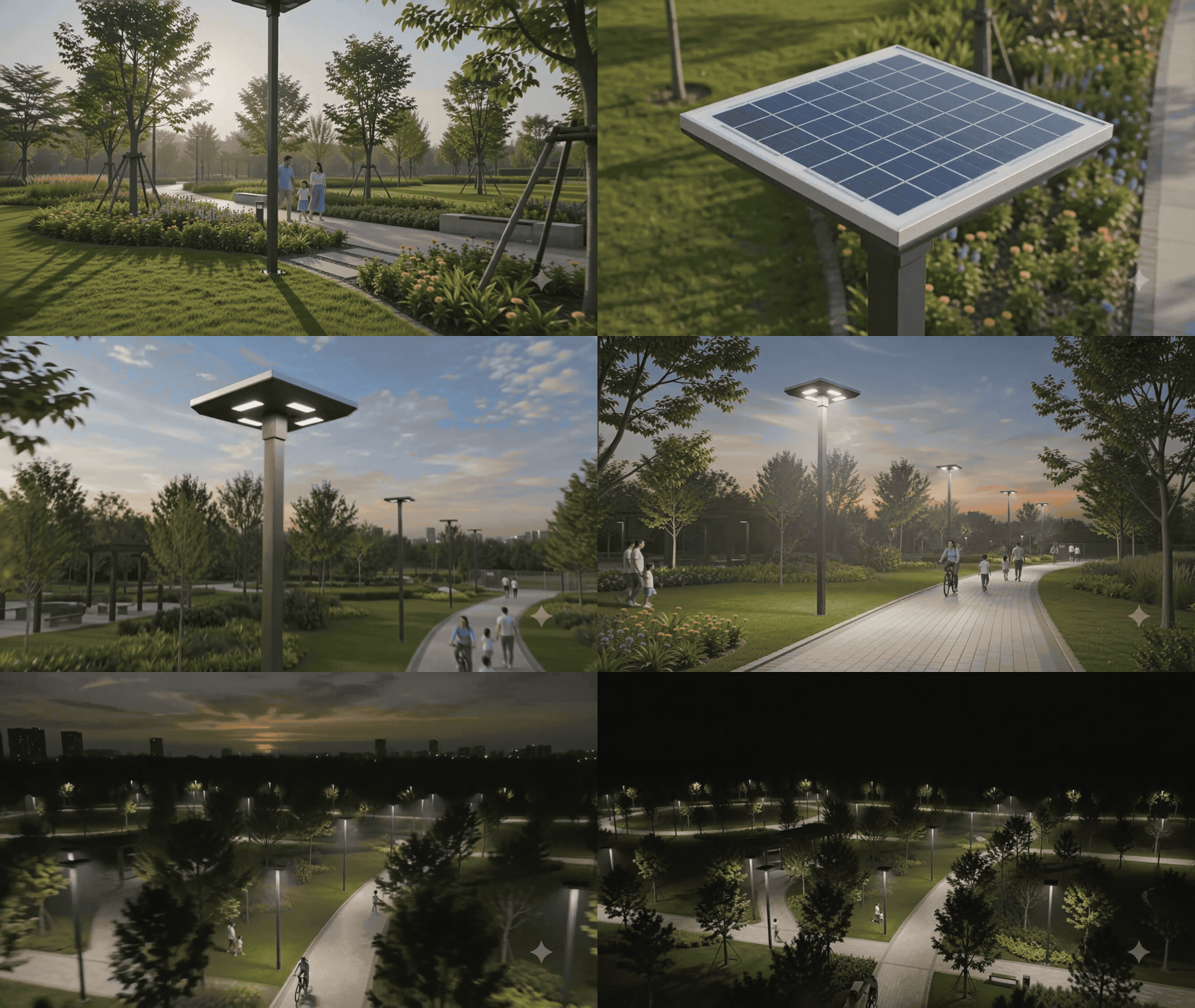
Lighting is not simply about making a dark area visible. A properly designed lighting system improves safety, makes public and private spaces more functional, complements architecture, and helps shape the nighttime identity of cities. Today, these expectations are accompanied by equally important considerations such as energy efficiency, sustainability, responsible material use, and environmental impact.
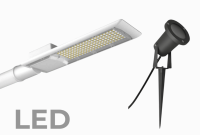
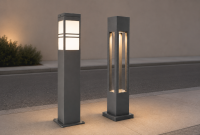
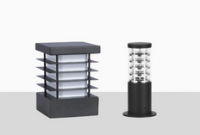
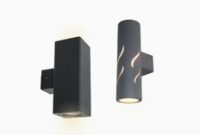
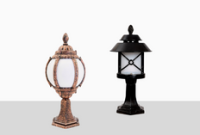
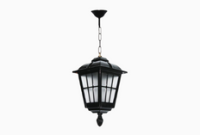
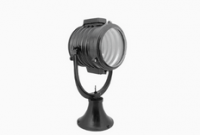
At Yakan Aydınlatma, our manufacturing journey began in 1964. Since then, we have closely followed the changing requirements of outdoor lighting. Over the years, we have developed durable, functional, and aesthetically considered solutions for parks, gardens, pedestrian paths, streets, residential complexes, industrial facilities, and public spaces.
Advances in technology, increasing energy costs, and the growing importance of renewable energy sources led us to focus on solar lighting systems. However, our transition to solar lighting was not simply a matter of adding a solar panel to an existing luminaire.
Our solar lighting systems were developed following approximately 10 years of research and development. They have since continued to evolve through nearly 8 years of field applications, sales experience, customer feedback, and practical project knowledge.
The position we have reached today is the result of our manufacturing heritage, engineering work, field experience, and commitment to continuous improvement.
A Manufacturing Culture That Began in 1964
At the heart of Yakan Aydınlatma’s manufacturing approach is the objective of developing reliable products that can be used outdoors for many years.
Outdoor lighting products are continuously exposed to challenging conditions, including rain, wind, humidity, dust, temperature fluctuations, ultraviolet radiation, and mechanical impact. For this reason, it is not enough for a lighting product to look attractive or produce sufficient light. Its materials, electrical components, connection elements, protective coatings, mechanical structure, and installation system must also be suitable for the environment in which it will operate.
The principles that have shaped our manufacturing culture since 1964 include:
- Durable and long-lasting product design
- Material selection suitable for outdoor conditions
- Consistent workmanship and production quality
- A balance between aesthetics and functionality
- Solutions tailored to user and project requirements
- Domestic production and engineering capability
- Technical support before and after the sale
- Continuous product development based on field feedback
This accumulated experience has also formed the foundation of our solar lighting systems.
The Transition from Conventional Lighting to Solar Technology
Traditional outdoor lighting systems generally obtain their energy from the electrical grid. Depending on the project, these systems may require trenching, underground cabling, electrical panels, infrastructure work, and extensive on-site installation.
Solar lighting systems use energy generated from sunlight. In properly designed projects, they can reduce or eliminate the need for grid electricity. This can provide a significant advantage in locations where electrical infrastructure is unavailable, difficult to install, or costly to extend.
However, a solar lighting system is not simply a combination of a solar panel and a luminaire. Successful performance depends on the coordinated operation of several components:
- Solar panel
- Battery or energy storage unit
- LED module
- Optical and light distribution system
- Electronic control unit
- Charge and energy management system
- Luminaire housing
- Lighting pole and connection components
- Mounting and surface protection elements
Each component may perform well individually. Nevertheless, unless the system is designed as an integrated whole, it may not achieve the expected lighting level, operating duration, charging performance, or outdoor durability.
For this reason, one of the fundamental principles of solar lighting design is to evaluate all components as parts of a single, coordinated system.
The Approach Behind 10 Years of Research and Development
Our work in solar lighting is based on approximately 10 years of research and development. During this period, our objective was not merely to create a product powered by solar energy. We aimed to develop an integrated lighting system capable of operating safely, efficiently, and reliably under different climatic and site conditions.
We began by combining our existing experience in outdoor lighting production with the technical requirements of solar energy systems. We examined the relationship between the solar panel, battery, LED module, optical system, controller, housing, pole, and mounting components.
Our R&D work focused particularly on the following areas.
Balancing Energy Generation and Storage
The energy generated by the solar panel during the day must be sufficient to meet the lighting requirement during the night. Therefore, panel capacity, battery capacity, LED consumption, expected operating time, and local solar conditions must be evaluated together.
A larger panel or battery does not automatically guarantee a successful system. The components must be properly sized according to the location, season, operating scenario, and lighting requirement.
LED and Optical System Efficiency
Solar lighting should not be evaluated based only on wattage. The efficiency of the LED module, the direction of the light, the optical distribution, and the reduction of unnecessary light loss are equally important.
A properly selected optical system directs light toward the intended area and helps use the stored energy more effectively.
Performance During Low-Sunlight Periods
Solar systems should not be designed only according to long summer days and ideal sunlight conditions. Winter periods, cloudy days, lower solar irradiation, and seasonal changes must also be taken into account.
Energy generation, storage capacity, lighting level, and operating duration should therefore be considered within a realistic annual operating scenario.
Mechanical and Environmental Durability
The luminaire housing, pole, panel supports, mounting equipment, and connection elements must be able to withstand the environmental conditions of the installation area.
Wind, rain, dust, humidity, temperature changes, ultraviolet exposure, corrosion, and mechanical impact all influence the long-term performance of an outdoor lighting product.
Electrical Safety
Cable connections, insulation, charging control, battery protection, heat management, and the safe operation of electronic components are essential parts of the design process.
Electrical safety must be considered from the earliest stages of product development rather than being treated as a final inspection item.
Installation and Maintenance
A well-designed product should be safely installed, inspected, maintained, and serviced when necessary.
Ease of access to components, appropriate mounting details, spare-part availability, and the possibility of replacing individual components can directly affect the service life and environmental performance of the complete system.
We do not view research and development as a process that is completed once and then remains unchanged. Our work continues in line with new technologies, changing project requirements, and information obtained from real-world applications.
8 Years of Field and Sales Experience
Following approximately 10 years of R&D, our solar lighting systems have been used in field applications and offered to customers for nearly 8 years.
We do not consider this period merely as a sales history. Every completed project provides practical information about climate, site conditions, solar exposure, mounting requirements, user expectations, and lighting performance.
Applications in parks, gardens, pedestrian paths, residential complexes, public spaces, industrial sites, and areas with limited electrical infrastructure have contributed to the development of our products.
Our field experience has helped us build practical knowledge in areas such as:
- The effect of local sunlight conditions on system performance
- Correct panel orientation and installation angle
- The impact of shade from buildings, trees, and surrounding structures
- Energy management during winter
- The relationship between battery capacity and operating duration
- The effect of pole height and luminaire spacing
- Appropriate light distribution for different applications
- Mechanical design for wind and outdoor conditions
- Installation requirements encountered on site
- Maintenance and technical service needs
- Component accessibility and replacement
- The importance of selecting the correct product for each project
Feedback from customers, dealers, contractors, project companies, and installation teams has also become an important part of our development process.
Our products are therefore not developed solely through evaluations carried out in the production environment. They are also improved using information obtained from actual operating conditions.
In this respect, our 8 years of field and sales experience represent a continuation of our R&D process. Each application provides information that may contribute to future improvements in product design, material selection, energy management, installation, and maintenance.
Environmental Responsibility in Solar Lighting
One of the main characteristics of solar lighting is its use of sunlight as a renewable energy source. However, the environmental impact of a product cannot be assessed solely according to the energy source it uses.
The materials used in production, energy efficiency, product lifetime, repairability, packaging, maintenance requirements, transportation, and end-of-life management are also parts of the overall environmental assessment.
For this reason, we do not define environmental responsibility only as the use of solar energy. We aim to consider the complete product lifecycle during design and production.
Long-Lasting Materials
Durable materials can help prevent premature deterioration and reduce the need for early product replacement.
Extending the operating life of a product may help reduce the demand for new raw materials, manufacturing, packaging, transportation, and installation. Durability is therefore relevant not only to product quality but also to resource efficiency and waste reduction.
Depending on the product and project, aluminium, steel, and other metal components may be selected according to their mechanical properties, outdoor suitability, service life, and recyclability.
Metal components can also offer an advantage at the end of the product’s service life because they may be separated and directed to suitable material recovery processes.
Protection Against Corrosion
Corrosion is one of the factors that can directly affect the service life of outdoor lighting products.
Appropriate surface preparation, coating, galvanisation, and corrosion protection methods can help metal components maintain their structural and visual performance for longer periods.
Depending on the product and application, surface protection methods may include galvanisation or electrostatic polyester powder coating.
Electrostatic powder coating may offer certain environmental advantages compared with some solvent-based liquid coating processes. It can reduce the use of solvents and related volatile organic compounds, while recoverable overspray powder may help reduce material loss during production.
The environmental performance of any coating process, however, should be assessed according to the specific coating material, production method, technical documentation, and operating conditions.
Energy-Efficient LED Technology
Efficient LED modules enable the energy stored in the battery to be used more effectively.
Lower energy consumption for the required lighting output can support a more balanced solar system design. However, the wattage of the LED alone is not a sufficient indicator of system efficiency.
The following factors should be assessed together:
- LED luminous efficiency
- Optical distribution
- Driver efficiency
- Required illumination level
- Operating schedule
- Dimming or energy-saving scenarios
- Panel and battery capacity
The objective is not simply to produce more light, but to deliver the required light to the correct area while avoiding unnecessary energy consumption and uncontrolled light distribution.
Serviceable Product Design
When an individual component reaches the end of its service life, replacing the complete product may create avoidable waste.
Where the product design allows, maintenance or replacement of the relevant component can help extend the useful life of the overall system.
For this reason, component accessibility, maintenance planning, spare-part continuity, and serviceability are relevant factors in product development.
A serviceable design can support both long-term product use and more responsible material management.
Battery and Electronic Waste Management
Batteries and electronic components used in solar lighting systems should not be disposed of with ordinary household waste at the end of their service life.
These components should be collected, separated, transported, and recycled through channels that comply with the applicable waste, battery, and electronic equipment regulations.
Environmental responsibility therefore extends beyond the purchase and use of the product. It also includes the appropriate management of batteries, electronic units, metals, plastics, cables, and packaging at the end of the product’s operating life.
For this reason, we regard the term “environmentally friendly” not as an absolute claim, but as a broader objective that should be supported by:
- Renewable energy use
- Energy efficiency
- Long product life
- Durable materials
- Repairability
- Responsible production
- Recyclability
- Appropriate end-of-life management
Safety Begins with Material Selection
Safety in solar lighting systems is not limited to final product inspection. It begins during the design and material selection stages.
Every component, from the luminaire housing and cables to the battery, controller, pole, fasteners, seals, and mounting equipment, must be suitable for its intended use and operating environment.
Key safety considerations include:
- Protection against electric shock
- Correct insulation of cables and connection points
- Appropriate grounding where required
- Protection against water and dust ingress
- Resistance to mechanical impact
- Reduction of sharp-edge and installation risks
- Mechanical stability of the pole and supporting structure
- Suitability for expected wind loads
- Thermal management of electronic components
- Protection against short circuit and overcurrent
- Battery protection against overcharging and excessive discharge
- Resistance to ultraviolet radiation and outdoor ageing
- Protection against corrosion
- Safe access for installation and maintenance
Battery Safety and Energy Management
Battery technology plays a central role in solar lighting safety and performance.
Depending on the battery type and product design, protection measures may include:
- Charge control
- Overcharge protection
- Over-discharge protection
- Short-circuit protection
- Current control
- Temperature monitoring
- Appropriate enclosure and ventilation design
- Safe cable and connector selection
No responsible manufacturer should claim that a battery system is entirely without risk or will never require inspection or maintenance.
Safe operation depends on appropriate product design, correct installation, suitable environmental conditions, periodic inspection, and compliance with the manufacturer’s instructions.
Material and Component Safety
Cables, seals, plastic components, electronic parts, coatings, and connection elements should be selected according to their intended environment.
Where claims are made regarding the restriction of hazardous substances or the management of chemicals, these claims should be supported by relevant technical documents, supplier declarations, test reports, or regulatory compliance statements.
Examples may include RoHS or REACH documentation where applicable. Such compliance should be verified for the relevant component, product, supplier, and document scope rather than assumed for the complete product range.
What Do the Certificates and Standards Mean?
Standards, tests, certificates, and declarations play an important role in product quality and safety. However, they do not all serve the same purpose.
A management system certificate, product test report, regulatory declaration, protection rating, and manufacturing certificate are different types of documentation. Each applies only within its own defined scope.
ISO 9001:2015 Quality Management System
ISO 9001:2015 concerns the systematic management of production and service processes.
It focuses on subjects such as:
- Defined processes
- Documentation and record keeping
- Monitoring and measurement
- Corrective action
- Customer requirements
- Risk-based thinking
- Continuous improvement
ISO 9001 does not, by itself, certify the technical performance of an individual product. It relates to the organisation’s quality management system.
ISO 10002:2018 Customer Satisfaction Management System
ISO 10002:2018 provides guidance for managing customer feedback and complaints in a structured manner.
It supports the evaluation of customer experience and the improvement of organisational processes based on feedback.
For solar products, incorporating information from field applications into R&D and product development is an important part of this approach.
CE Marking
CE marking is not a quality award.
It indicates that the product has been assessed in accordance with the applicable European Union requirements concerning matters such as health, safety, electromagnetic compatibility, and environmental protection, depending on the product category.
The applicable directives, standards, tests, and conformity assessment procedures vary according to the technical characteristics of the product.
Electrical Safety Under the Low Voltage Directive
Assessments associated with the Low Voltage Directive may cover matters such as:
- Protection against electric shock
- Insulation
- Connection safety
- Temperature limits
- Mechanical and electrical construction
- Safe operation under foreseeable conditions
The product’s operating voltage and technical structure determine which legal and technical requirements apply.
TS EN IEC 60598-1
TS EN IEC 60598-1 specifies general requirements and tests for luminaires.
Depending on the product, these requirements may include:
- Electrical safety
- Mechanical construction
- Cable and terminal connections
- Thermal behaviour
- Resistance to external influences
- Insulation
- Protection against electric shock
- Earthing provisions
- Material performance
TS EN 60598-2-3
TS EN 60598-2-3 includes particular requirements for luminaires used in road and street lighting applications.
For relevant product groups, these specific requirements are considered together with the general requirements for luminaires.
TS EN 40-5
TS EN 40-5 addresses product requirements for steel lighting columns.
Depending on the applicable scope, it may cover:
- Materials
- Dimensions and tolerances
- Welding
- Mechanical performance
- Structural requirements
- Surface protection
- Corrosion protection
- Manufacturing consistency
IP Protection Rating
An IP rating indicates the level of protection provided by an enclosure against the ingress of solid objects and water.
For relevant product groups, an IP66 rating means that the enclosure has been assessed for protection against dust ingress and powerful water jets.
An IP rating should not be applied automatically to every product. The specific product model, configuration, test report, and certificate scope must be checked.
IK Impact Resistance
An IK rating indicates the resistance of an enclosure to external mechanical impact.
For relevant product groups, an IK08 rating indicates that the enclosure has been tested against a defined level of impact energy.
As with an IP rating, the IK classification must be verified for the specific product and should not be generalised across the entire product range.
Thermal and Material Tests
Depending on the product group and applicable standard, evaluations may include:
- Operating temperature
- Thermal endurance
- Insulation resistance
- Mechanical safety
- Resistance to heat
- Fire behaviour
- Glow-wire testing
- Cable retention
- Earthing continuity
Where relevant products have declared operating conditions of -20°C to +60°C or a 650°C glow-wire test, these values should only be used within the scope of the corresponding product documentation and test reports.
Corporate and Manufacturing Documents
Documents such as the Industrial Registry Certificate, Capacity Report, and Domestic Goods Certificate serve different purposes from product safety certificates.
- An Industrial Registry Certificate supports the company’s registered industrial manufacturing activity.
- A Capacity Report records information regarding manufacturing facilities and production capability.
- A Domestic Goods Certificate may support local manufacturing status within its current scope and validity period.
- Trademark and design registrations help protect the company’s brand identity and original product designs.
Claims regarding environmental or material compliance, including RoHS and REACH, should be verified through current declarations, supplier documentation, and product-specific records.
They should not be presented as applying to every product unless this has been formally confirmed.
How Should the Right Solar Lighting Product Be Selected?
Selecting a solar lighting product based only on wattage or panel size is not sufficient.
A successful project requires several factors to be evaluated together:
- Solar irradiation conditions at the project location
- Panel orientation and installation angle
- Shade caused by buildings, trees, or other structures
- Size and characteristics of the area to be illuminated
- Required illumination level
- Light distribution
- Pole height
- Distance between luminaires
- Expected nightly operating time
- Winter and low-sunlight conditions
- Wind, rain, snow, humidity, dust, and temperature conditions
- Battery capacity
- Energy management strategy
- Installation and maintenance access
- Safety requirements
- Architectural and aesthetic expectations
The same solar product should not be used for every application.
A pedestrian path, a large car park, a public park, a residential development, and an industrial facility do not have identical lighting requirements. Their operating conditions, security expectations, mounting heights, and required light distributions may be significantly different.
A proper project therefore begins with an assessment of site conditions and a product selection process based on those conditions.
Areas of Application
When properly designed, solar lighting systems can be used in a wide range of applications, including:
- Parks and gardens
- Pedestrian and bicycle paths
- Streets and access roads
- Residential complexes
- Hotels and tourism facilities
- Municipal and public spaces
- Industrial and factory sites
- Car parks
- Rural areas
- Locations without electrical infrastructure
- Projects where infrastructure installation is difficult or costly
The potential benefits of a solar system will not be identical in every project.
Energy savings, reduced cabling requirements, infrastructure costs, operating time, and lighting performance depend on factors such as local solar conditions, product selection, system sizing, installation quality, and the intended operating scenario.
Our Goals for the Future
At Yakan Aydınlatma, our goal is not simply to increase the number of solar products in our portfolio.
We aim to develop systems that are safer, more durable, more efficient, easier to maintain, and better suited to different project conditions.
Our future development priorities include:
- Expanding our solar lighting product range
- Improving the balance between panel, battery, and LED performance
- Increasing system efficiency and optimising operating duration
- Adapting products to smart control and remote monitoring technologies
- Developing solutions for different climates and site conditions
- Reducing maintenance requirements where technically possible
- Improving serviceability and component accessibility
- Strengthening domestic engineering and manufacturing capability
- Evaluating materials and production methods with lower environmental impact
- Maintaining compliance with relevant national and international standards
- Integrating field feedback into ongoing R&D
- Supporting international projects as a reliable lighting solution partner
Solar lighting technologies continue to develop. Advances in solar panel efficiency, battery systems, LED technology, electronic controls, and intelligent energy management create new opportunities for more effective outdoor lighting systems.
We continue to follow these developments and adapt our products to changing requirements.
The Experience of the Past, the Energy of the Future
Yakan Aydınlatma’s experience in solar lighting brings together several important elements:
- An outdoor lighting manufacturing heritage dating back to 1964
- Approximately 10 years of research and development
- Nearly 8 years of field application and sales experience
- Domestic manufacturing and engineering knowledge
- Feedback from customers, dealers, contractors, and project partners
- A commitment to continuous improvement
Throughout this journey, our objective has not been limited to producing lighting products powered by sunlight.
We have focused on developing systems that are safe, durable, energy-efficient, visually appropriate, and suited to the actual requirements of each project.
We recognise that environmental responsibility involves more than the use of renewable energy. Material selection, product lifetime, energy efficiency, maintenance, safety, repairability, and end-of-life recycling are also integral parts of this approach.
For us, using solar energy is the starting point of sustainable lighting. Long-term value is created through sound engineering, responsible material selection, product safety, durability, field experience, and continuous development.
To determine the solar lighting solution best suited to your project’s location, sunlight conditions, operating requirements, and lighting needs, you can contact the Yakan Aydınlatma technical team.