
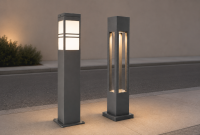
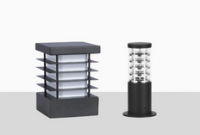
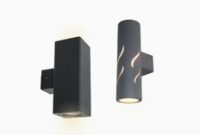






Outdoor lighting improves safety, visibility, and aesthetics. However, when poorly designed or improperly installed, it can contribute significantly to light pollution.
Light pollution occurs when artificial light is excessive, misdirected, or unnecessary. This not only wastes energy but also affects human well-being, wildlife, and the natural night environment.
Understanding how outdoor lighting contributes to light pollution is the first step toward responsible and sustainable lighting design.
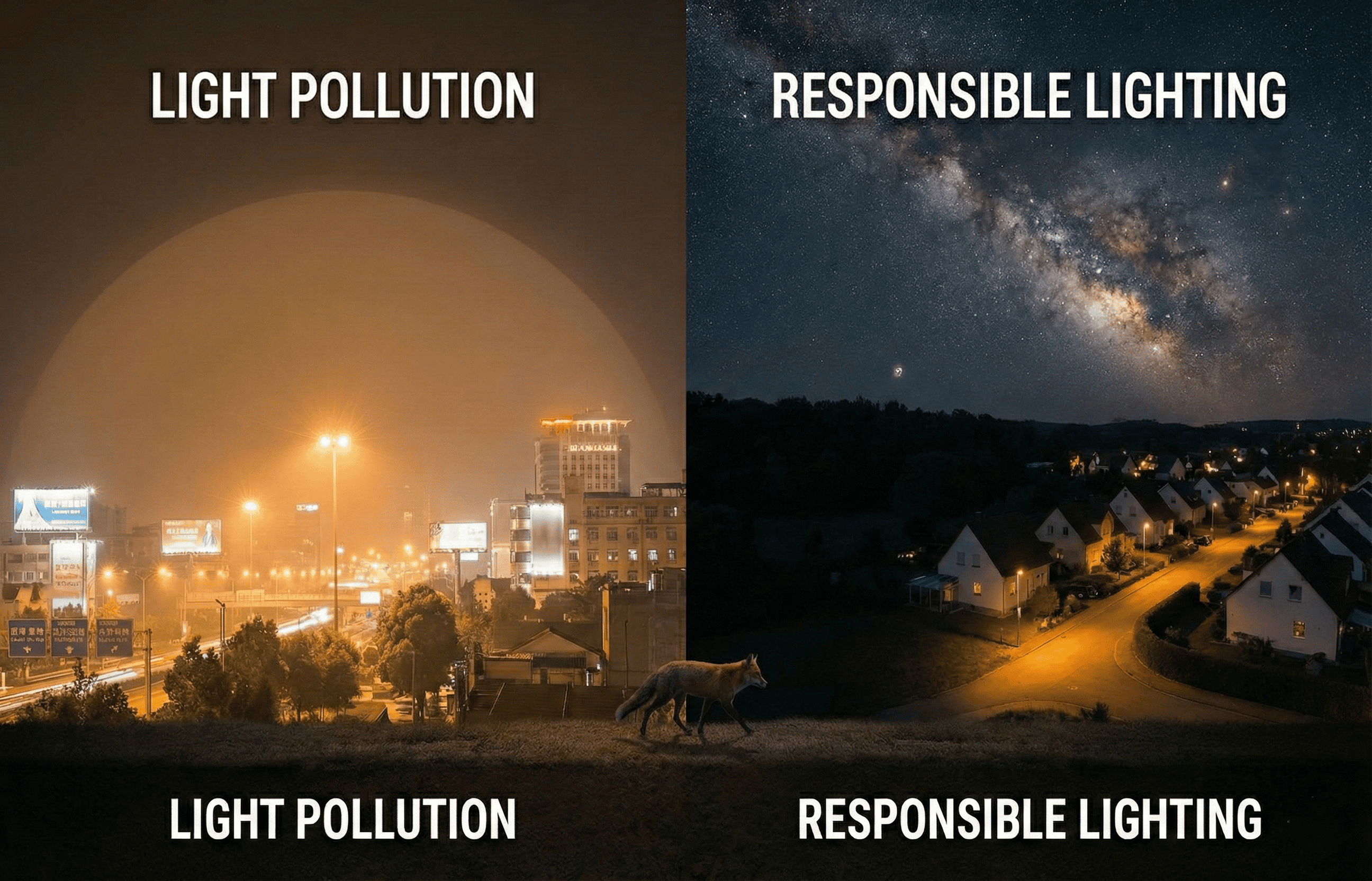
What Is Light Pollution?
Light pollution refers to the negative effects of artificial light at night (ALAN). It typically appears in four main forms:
· Skyglow – The brightening of the night sky over populated areas
· Glare – Excessive brightness that causes visual discomfort
· Light Trespass – Light spilling into unintended areas
· Clutter – Overlapping, excessive groupings of lights
Outdoor illumination systems that lack proper control or shielding often create these issues.
Over-Illumination and Energy Waste
One of the main causes of light pollution is over-illumination. Many outdoor spaces are lit with higher brightness levels than necessary.
Excessive lighting:
· Increases energy consumption
· Raises operational costs
· Contributes to higher carbon emissions
· Reduces night vision adaptation
Energy-efficient LED systems help reduce unnecessary consumption, but efficiency alone does not prevent light pollution. Proper brightness levels and placement are equally important.
At Yakan Lighting, outdoor LED lighting fixtures are designed to provide effective illumination without unnecessary excess.
Poor Fixture Design and Light Spill
Unshielded or poorly designed fixtures allow light to spread in unwanted directions, including upward into the sky.
When light is not directed precisely:
· Skyglow increases
· Wildlife behavior may be disrupted
· Natural night environments are altered
Outdoor lighting systems should focus light only where needed on pathways, entrances, and activity zone rather than dispersing it widely.
Fixtures with proper IP ratings and durable enclosures ensure structural reliability, but optical direction and positioning are equally important for environmental responsibility.
Impact on Wildlife and Ecosystems
Artificial light at night can influence:
· Nocturnal animal behavior
· Migration patterns
· Feeding cycles
· Plant growth
Research from environmental organizations has shown that excessive nighttime lighting can disrupt ecosystems.
For this reason, sustainable garden lighting considers both human needs and environmental balance.
Human Health and Visual Comfort
Light pollution does not only affect nature. It can also impact human comfort. Excessive glare and overly bright lighting may cause:
· Eye strain
· Reduced visibility
· Sleep disruption
· Decreased nighttime comfort
Balanced outdoor lighting improves safety without creating discomfort.
Choosing appropriate brightness, positioning fixtures correctly, and avoiding unnecessary illumination are essential principles.
The Role of Responsible Outdoor Lighting
Reducing light pollution does not mean eliminating outdoor lighting. It means designing systems responsibly.
Responsible outdoor lighting includes:
· Using energy-efficient LED technology
· Installing fixtures with appropriate IP protection
· Selecting suitable brightness levels
· Avoiding unnecessary upward light
· Illuminating only required areas
At Yakan Lighting, our outdoor LED lighting fixtures are manufactured with durability, weather resistance, and long-term performance in mind. Sustainable lighting begins with reliable products and thoughtful application.
Outdoor lighting contributes to light pollution when it is excessive, poorly directed, or improperly installed.
However, when designed responsibly, outdoor illumination systems can provide safety and functionality while minimizing environmental impact.
Sustainable garden lighting focuses on balance delivering sufficient illumination without disturbing the natural night environment.
At Yakan Lighting, we believe outdoor lighting should enhance safety and architecture while respecting environmental responsibility.
References
· International Commission on Illumination (CIE) – Publications on Outdoor Lighting
· DarkSky International – Light Pollution and Responsible Lighting Principles
· International Energy Agency (IEA) – Energy Efficiency Reports
· United Nations Environment Programme (UNEP) – Environmental Sustainability Reports
· International Electrotechnical Commission (IEC 60598 & IEC 60529 Standards)